


TL;DR: Gutters usually give warnings before they fail such as overflow marks, loose spikes, sagging runs, and water pooling. Fixing these early helps prevent fascia rot, foundation splash, and interior moisture issues. 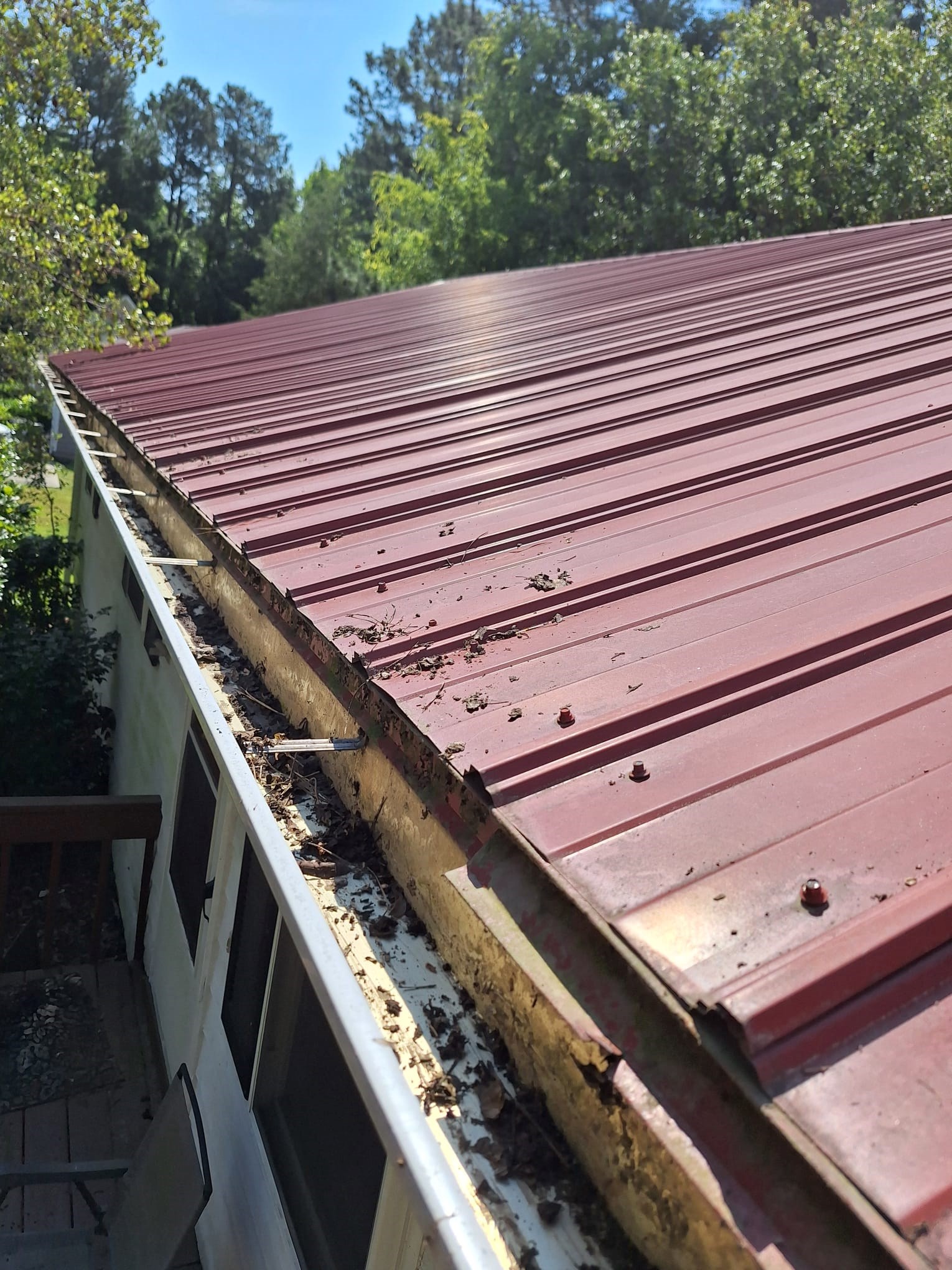
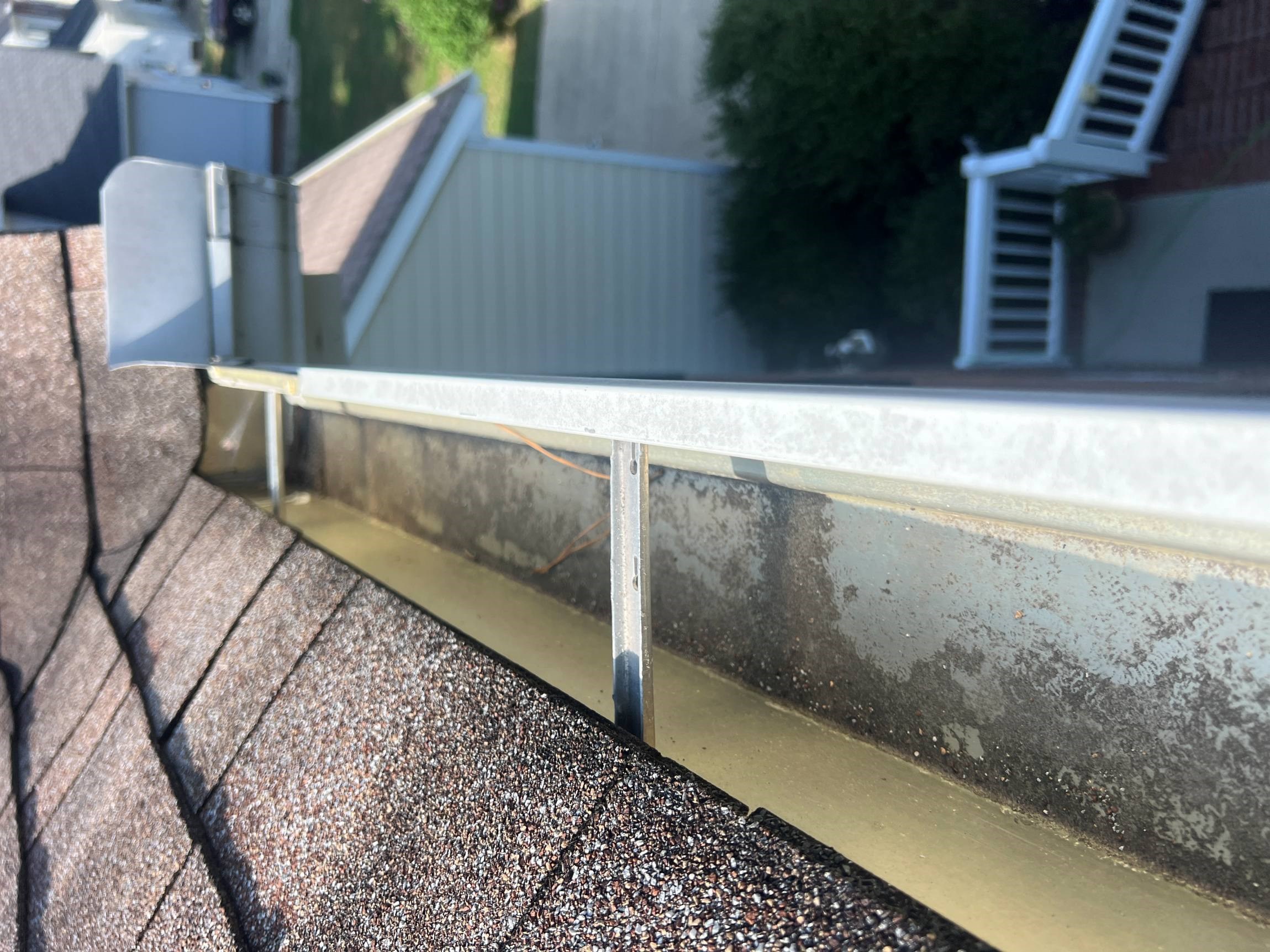
Why gutters are a big deal in Durham and Chapel Hill
In our region, heavy rain events and seasonal debris such as pine needles, leaves, and acorns can overwhelm gutters fast. When water doesn’t move away from the house, it finds a path, often into fascia boards, behind siding, or down to the foundation.
5 warning signs to take seriously
- Overflow during moderate rain (not just downpours)
- Sagging or wavy gutter lines
- Loose downspouts or disconnected elbows
- Water stains on fascia/soffit
- Erosion or splash marks near the foundation
The “quick check” homeowners can do
- Walk the perimeter after rain and look for splash zones.
- Check downspout exits: are they draining away from the home?
- Look for plant growth in gutters (a sign of persistent debris and moisture).
Smart repairs (and what they solve)
- Re-securing gutters: prevents sagging and overflow
- Routine gutter cleaning to preven future damage
- Re-sloping runs: improves flow toward downspouts
- Downspout repairs/extensions: moves water away from foundation
- Sealing leak points: stops steady drips that rot wood over time
Quick FAQs
Is gutter cleaning enough? Sometimes, but if the gutter is mis-sloped, loose, or damaged cleaning alone won’t stop overflow.
How often should I check gutters? At least each season and after major storms.
Can gutter problems cause interior stains? Yes, water can work behind fascia/siding and show up inside later.
Should I add gutter guards? They help in some situations, but they are not 100% maintenace free; we can recommend based on your trees and roofline.